
How to Correct Wrong Bank Details in PFMS Scholarship Records
If your scholarship isn’t coming, one of the most common reasons is wrong bank details. The important thing to understand is this: 👉 You cannot directly edit bank details inside PFMS. PFMS only processes payments. Your details come from the scholarship portal (like NSP) or your institution. So the correction must be done at the […]
PFMS Shows Payment Success But Bank Not Credited: What to Do
Seeing “Payment Success” on PFMS but no money in your bank account is confusing—and quite common. The good news? In most cases, the money is already on the way or stuck due to a small issue that can be fixed. Here’s exactly what to check and what to do next. First—Don’t Panic “Success” on PFMS […]

AI Solutions: The Key Benefits for Growing Companies
The business case for ai solutions rests on a handful of tangible benefits rather than vague promise. Understanding them clearly is the first step to a sound investment decision. The Benefits That Matter Automating repetitive tasks frees skilled staff to focus on higher-value work that actually moves the business forward. Predictive models turn historical data […]

PFMS and GIFMIS: Understanding the Government Integrated Financial System
India’s public finance system is becoming more connected than ever before. Earlier, different parts of the system—budgeting, payments, accounting, and reporting—often worked separately. This created delays, duplication, and gaps in tracking. To fix this, the government is moving toward a more unified model often referred to as GIFMIS (Government Integrated Financial Management Information System). At […]

PFMS Scholarship Money Not Received: 7 Things to Check Right Now
Scholarship money not showing up in your bank account can be frustrating—especially when everything looks “approved” on the portal. In most cases, the issue is not rejection but a small mismatch somewhere in the system. Before you panic, go through these 7 important checks. Most payment problems get solved here. 1. Check PFMS Payment Status […]
How to Contact PFMS Helpdesk: Email, Phone & Grievance Portal
If your payment is stuck, showing failed, or not visible at all, the PFMS helpdesk is the right place to reach out. But before contacting them, it helps to know where to contact, what to say, and what details to keep ready. When You Should Contact PFMS You should reach out if: Payment shows failed […]

How PFMS Interfaces with State Treasury Systems
Government finance in India doesn’t run through a single pipe. There are central ministries, state treasuries, departments, and thousands of field offices. Each one handles part of the money flow. For years, these systems worked in silos—data moved slowly, reconciliation took time, and reporting was often delayed. PFMS (Public Financial Management System) changed that by […]
PFMS 2.0: What’s New and How It Will Improve Government Payments
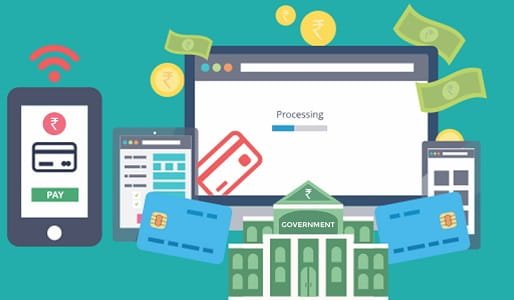
India’s Public Financial Management System (PFMS) has already transformed how government money moves—bringing real-time tracking, Direct Benefit Transfers (DBT), and digital payments into one platform. Now, the government is moving toward PFMS 2.0, a major upgrade designed to make the system faster, smarter, and more scalable. This is not just a routine update. PFMS 2.0 […]
PFMS Fund Flow Monitoring: How It Ensures Last-Mile Delivery
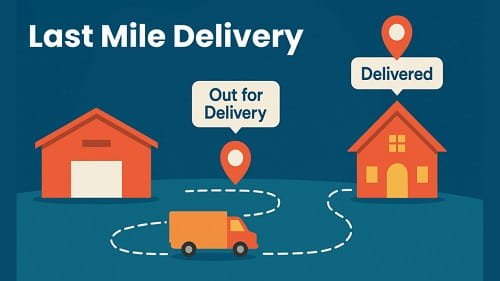
In a country as vast as India, getting government funds from the Centre to the final beneficiary is not easy. Money passes through multiple levels—ministries, states, districts, agencies—and at each stage, delays or leakages can occur. PFMS (Public Financial Management System) solves this by monitoring the entire fund flow digitally, from allocation to the last […]

PFMS and the Gig Economy: Expanding Social Security Coverage
India’s gig economy—delivery partners, drivers, freelancers, platform workers—has grown fast. But social security hasn’t always kept pace. Irregular income, multiple employers, and high mobility make traditional benefit systems hard to apply. PFMS (Public Financial Management System) offers a practical way forward. It can move government support directly to workers, track contributions, and build a transparent […]