How State Governments Use PFMS for Centrally Sponsored Scheme Reporting
Centrally Sponsored Schemes (CSS) are a core part of India’s development model. From rural roads to health insurance, these schemes are funded jointly by the Centre and the States. But managing and reporting such large-scale spending across thousands of districts and departments is not easy. This is where PFMS (Public Financial Management System) becomes essential. […]
PFMS Role in Annual Union Government Accounts: Explained
Every year, the Government of India prepares its Annual Union Government Accounts. This document is more than a financial summary—it’s the official record of how public money was received, spent, and managed during the year. It is used by Parliament, auditors, policymakers, and even researchers. But preparing such a massive account for a country like […]

PFMS and Finance Commission Grants: What States Need to Know
Finance Commission grants are a major source of funding for states and local bodies in India. These grants support essential services like rural development, urban infrastructure, health, sanitation, and disaster management. But handling such large volumes of public money requires strict monitoring. That’s where PFMS (Public Financial Management System) comes into the picture. It doesn’t […]
PFMS MIS Reports: What Data Is Available and Who Can Access It
Behind every government scheme is a steady flow of numbers—how much money was released, how much was spent, where it went, and what remains. PFMS (Public Financial Management System) turns all of that into structured MIS (Management Information System) reports. These reports are not just for record-keeping. They are used daily by ministries, states, districts, […]
How NGOs and Implementing Agencies Register on PFMS
Government schemes don’t run only through departments. A large part of the work on the ground is handled by NGOs, societies, trusts, and other implementing agencies. These organizations receive funds, carry out projects, and report utilization. To make this system transparent and trackable, all such agencies must register on PFMS (Public Financial Management System). Without […]

Real-Time Expenditure Reporting on PFMS: A Guide for Officials
Government spending doesn’t wait for month-end anymore. With PFMS (Public Financial Management System), officials can see how much has been spent, where it went, and what remains—almost instantly. This shift to real-time expenditure reporting has changed how decisions are made across ministries, states, and districts. For officials on the ground, this is not just a […]
How PFMS Helps the CAG in Government Auditing
Auditing government finances in a country like India is not a small task. Thousands of schemes, millions of transactions, and funds moving across ministries, states, and agencies every day—it’s a massive system to verify. This responsibility lies with the Comptroller and Auditor General (CAG). And in recent years, PFMS (Public Financial Management System) has become […]
PFMS Bank Integration: How 300+ Banks Are Connected
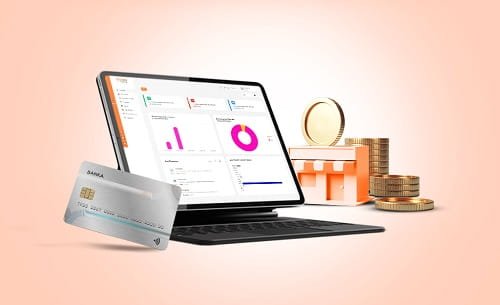
When government payments reach crores of people across India—within days or even hours—it may look simple from the outside. But behind that speed is a tightly connected banking network powered by PFMS (Public Financial Management System). PFMS doesn’t just send money. It connects hundreds of banks, validates accounts, routes payments through the right channels, and […]
Just-in-Time Fund Release via PFMS: What It Means for Agencies
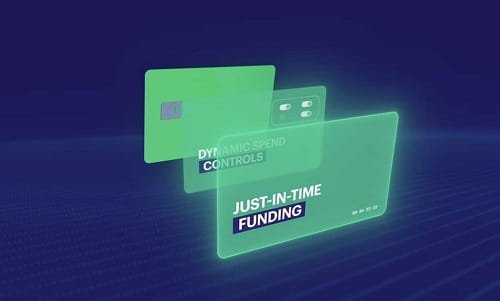
For years, government funding followed a familiar pattern—money was released in bulk to agencies, then held in their bank accounts until it was used. This often led to idle funds, delays, and weak tracking. The shift to Just-in-Time (JIT) fund release through PFMS (Public Financial Management System) has changed that model completely. Today, agencies don’t […]
PFMS for Panchayats: How Rural Bodies Access and Track Funds
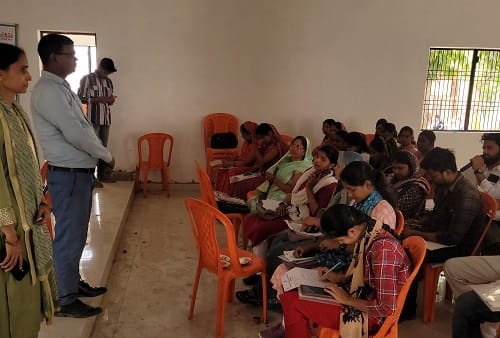
Panchayats sit at the frontline of rural development. Roads, sanitation, water supply, local infrastructure—most of it is planned and executed at this level. But none of it works without steady and well-managed funds. Earlier, tracking these funds was difficult. Money moved through multiple layers, records were often manual, and delays were common. PFMS (Public Financial […]