PFMS for Panchayats: How Rural Bodies Access and Track Funds
Panchayats sit at the frontline of rural development. Roads, sanitation, water supply, local infrastructure—most of it is planned and executed at this level. But none of it works without steady and well-managed funds.
Earlier, tracking these funds was difficult. Money moved through multiple layers, records were often manual, and delays were common. PFMS (Public Financial Management System) has changed that by giving Panchayats a digital system to access, use, and monitor funds in a transparent way.
Why PFMS Matters for Panchayats
Panchayats receive funds from different sources:
- Finance Commission grants
- Centrally Sponsored Schemes
- State government allocations
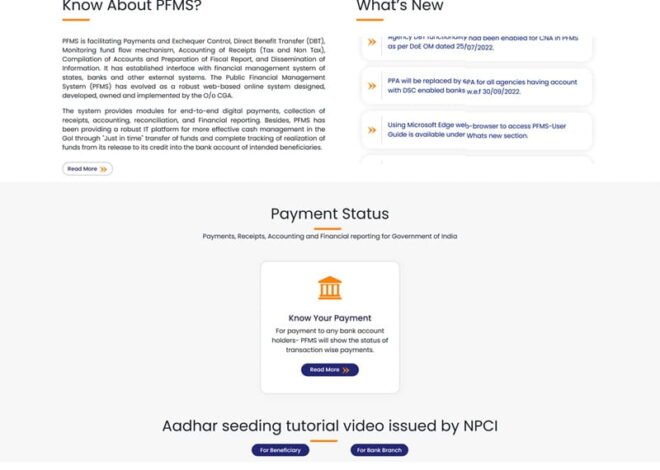
👉 PFMS portal: https://pfms.nic.in/Home.aspx
Managing all this money requires proper tracking. PFMS provides that structure.
How Panchayats Get Access to PFMS
Before using PFMS, Panchayats must be onboarded as agencies.
1. Registration and Onboarding
- Panchayat is registered in PFMS
- Linked with schemes and departments
- Bank account details are verified
This creates a digital identity for the Panchayat.
2. Mapping with Schemes
Each Panchayat is mapped to:
- Specific schemes (like rural housing, sanitation, etc.)
- Funding sources (central or state)
This ensures funds are routed correctly.
3. Bank Account Integration
- Panchayat bank account is linked to PFMS
- Account must be active and KYC-compliant
- Used for receiving and making payments
How Panchayats Access Funds
Funds are not always given in bulk. PFMS ensures controlled access.
1. Fund Allocation
- Government allocates funds to schemes
- Panchayat becomes eligible based on approval
2. Fund Release
- Funds are released digitally
- Credited directly to Panchayat account or through controlled mechanism
3. Conditional Releases
In many cases:
- Funds are released in stages
- Based on work progress or reporting
This ensures proper utilization.
How Panchayats Use PFMS for Payments
Once funds are available, Panchayats can make payments through PFMS.
1. Entry of Payment Details
- Beneficiary or vendor details entered
- Purpose and amount specified
2. Validation by PFMS
- Bank details are checked
- Scheme guidelines verified
3. Direct Payment
- Funds transferred directly to beneficiary/vendor
- No cash handling
4. Transaction Recording
- PFMS records payment details
- Updates status instantly
Tracking Funds at Panchayat Level
One of the biggest advantages of PFMS is tracking.
1. Real-Time Fund Position
Panchayats can see:
- Total funds received
- Amount spent
- Remaining balance
2. Scheme-Wise Tracking
Funds can be tracked by:
- Scheme
- Project
- Activity
3. Transaction History
Every payment is recorded:
- Date
- Amount
- Beneficiary
4. Reporting Tools
PFMS generates:
- Financial reports
- Utilization summaries
- Audit-ready data
Key Features for Panchayats
1. Direct Benefit Transfer (DBT)
Payments go directly to beneficiaries.
2. Transparency
All transactions are visible and traceable.
3. Centralized Data
All financial data is stored in one system.
4. Reduced Leakages
Digital payments reduce misuse.
5. Easy Monitoring
Officials can track progress anytime.
Importance for Rural Development
1. Faster Project Execution
Funds reach Panchayats quickly, reducing delays.
2. Better Accountability
Clear records ensure responsible spending.
3. Improved Service Delivery
Projects like roads, water, and sanitation are completed faster.
4. Empowerment of Local Bodies
Panchayats gain more control over finances.
Role of Panchayat Officials
Local officials are key to making PFMS work:
- Enter accurate data
- Monitor fund usage
- Ensure timely reporting
- Assist beneficiaries
Their efficiency directly affects outcomes.
Common Challenges at Panchayat Level
Some issues still exist:
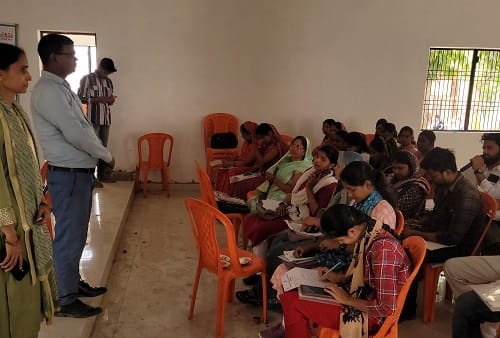
- Limited digital skills in rural areas
- Internet connectivity problems
- Delay in data entry
- Incorrect beneficiary details
Training and awareness are improving these areas.
Recent Updates (2025–2026)
- Increased onboarding of Panchayats on PFMS
- Better dashboards for rural fund tracking
- Training programs for local officials
- Improved integration with rural development schemes
👉 PFMS reports: https://pfms.nic.in/SitePages/Reports.aspx
These updates aim to strengthen rural financial systems.
Best Practices for Panchayats
To use PFMS effectively:
- Update data regularly
- Verify beneficiary details carefully
- Track funds continuously
- Avoid delays in reporting
- Ensure staff training
Consistency improves performance.
FAQs
1. What is PFMS used for in Panchayats?
It is used to receive, track, and spend government funds digitally.
2. Can Panchayats make payments through PFMS?
Yes, they can make direct payments to beneficiaries and vendors.
3. How can Panchayats track funds?
Through PFMS dashboards showing real-time data.
4. Are PFMS payments secure?
Yes, they use banking systems and validation checks.
5. Why do delays happen sometimes?
Due to data errors, connectivity issues, or approval delays.
6. Is PFMS mandatory for Panchayats?
It is widely used for managing government scheme funds.
Conclusion
PFMS has brought a major shift in how Panchayats manage public funds. What was once a slow and manual process is now digital, transparent, and efficient.
By giving rural bodies the ability to access and track funds in real time, PFMS strengthens local governance and ensures better use of public money.
For Panchayats, this system is not just about finance—it’s about delivering real development on the ground.