Information
How Ministries and Departments Use PFMS for Expenditure Reporting
In government, spending money is only half the job. The other half—often more important—is proving where that money went, how it was used, and whether it delivered results. For ministries and departments handling large budgets, this is a daily task. PFMS (Public Financial Management System) has become the central system that makes this possible. It […]

How to Generate Utilisation Certificates Through PFMS
A Utilisation Certificate (UC) is one of the most important documents in government funding. It confirms that the money released under a scheme has been used properly and for the intended purpose. Without a UC, further funds are often blocked. PFMS (Public Financial Management System) has made UC generation much easier by moving the entire […]

How PFMS Is Evolving to Handle Increasing Transaction Volumes
PFMS (Public Financial Management System) was built for scale—but the last few years have pushed it even further. With crores of beneficiaries, expanding Direct Benefit Transfer (DBT) schemes, and rising digital payments, the system now handles massive daily transaction loads. To keep up, PFMS is not standing still. It is continuously evolving—technically, structurally, and operationally—to […]

PFMS and India Post Payments Bank: Rural Beneficiary Payments
In many parts of rural India, banking access used to be a real challenge. Villages had no nearby bank branches, people relied on cash, and government benefits often took time to reach the right hands. That gap is where India Post Payments Bank (IPPB) and PFMS (Public Financial Management System) come together to change the […]
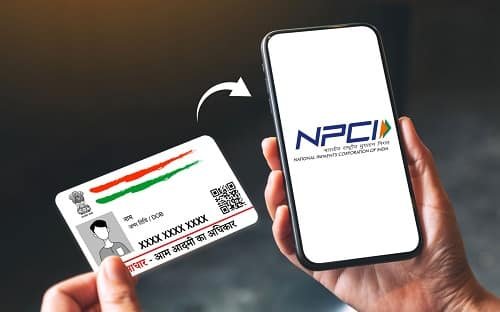
PFMS and NPCI: Aadhaar-Linked Payment Validation Explained
When government money reaches people directly into their bank accounts, it often travels through a system that uses Aadhaar instead of traditional account details. This system is powered by the coordination between PFMS (Public Financial Management System) and NPCI (National Payments Corporation of India). Together, they make Aadhaar-based payments fast, accurate, and scalable across the […]
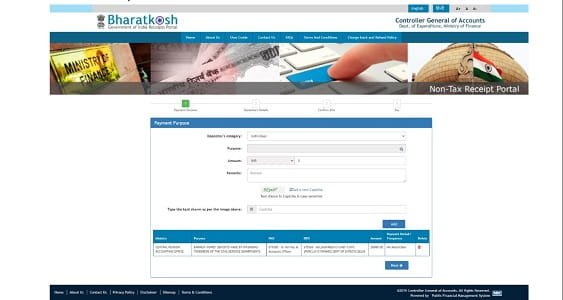
What Is Bharatkosh? PFMS’s Online Non-Tax Revenue Portal Explained
Not all money collected by the government comes from taxes. There are many other sources—fees, penalties, service charges, and deposits. Managing these non-tax revenues used to be slow and paperwork-heavy. That’s where Bharatkosh comes in. Bharatkosh is an online platform under PFMS (Public Financial Management System) that allows individuals, businesses, and organizations to deposit money […]
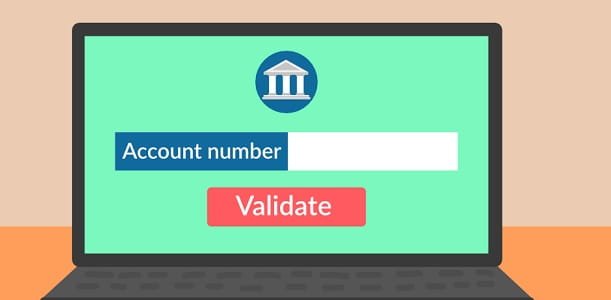
How PFMS Validates Bank Account Numbers Before Payment
When the government sends money through PFMS (Public Financial Management System), accuracy is everything. A single wrong digit in a bank account number can send funds to the wrong person or cause payment failure. That’s why PFMS follows a strict validation process before releasing any payment. This validation system works quietly in the background, but […]

PFMS and Scholarship Schemes: Complete Integration Guide
Scholarship schemes are meant to support students who need financial help for education. But managing thousands—or even millions—of payments across states, institutions, and banks is not simple. Delays, duplication, and errors were common earlier. That’s where PFMS (Public Financial Management System) has changed the system. It connects government departments, banks, and beneficiaries into one digital […]
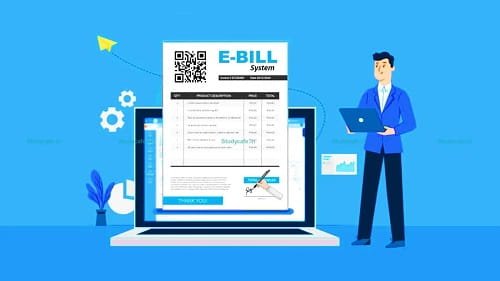
PFMS and eBill System: Digital Payments for Government Offices
Government offices handle thousands of bills every day—salaries, vendor payments, reimbursements, utility bills, and more. Earlier, most of this work depended on paper files, physical signatures, and long approval chains. Payments were slow, tracking was difficult, and errors were common. The introduction of the eBill system integrated with PFMS (Public Financial Management System) has changed […]
How State Governments Use PFMS for Centrally Sponsored Scheme Reporting
Centrally Sponsored Schemes (CSS) are a core part of India’s development model. From rural roads to health insurance, these schemes are funded jointly by the Centre and the States. But managing and reporting such large-scale spending across thousands of districts and departments is not easy. This is where PFMS (Public Financial Management System) becomes essential. […]